


Chứng tự kỷ là gì?
Không có một kinh nghiệm của bệnh tự kỷ.
The clearest definition is that autism. Clinically referred to as Autism Spectrum Disorder (ASD) – Autism is a different way of thinking, a neurological developmental difference that changes the way you relate to the environment and people around you.
Autism influences the way that you see, experience and understand the world.
Thế giới cần tất cả các loại tâm trí.
The ‘spectrum’ of autism
You might have heard people referring to autism as a ‘spectrum’. This is used to emphasise that there is an infinite number of ways that autism can be experienced.
While people on the autism spectrum share a range of similar characteristics, there are an equal number of differences between individuals, so the experience of autism varies greatly from person to person.
Tiến sĩ Stephen Shore một giáo sư autistic của giáo dục đặc biệt tại Đại học Adelphi, New York, đặt nó tốt nhất khi ông nói:
"Nếu bạn đã gặp một người bị bệnh tự kỷ, bạn đã gặp một người bị bệnh tự kỷ."
The support needs of autistic individuals can range vastly from person to person. Some individuals may want or need ongoing support in daily living, community participation, communication, while other individuals may desire little or no support in these or other areas.
While every individual has strengths and challenges, some of the key strengths of autistic people can include:
- chi tiết theo định hướng;
- xác định bất thường;
- là một người suy nghĩ logic;
- absorb and retain facts;
- tenacity and resilience;
- visual learners;
- in-depth knowledge in specific areas;
- honest, loyal and committed;
- maintaining high focus on a task; and
- nhìn thấy những thứ từ một góc độ khác nhau.
It is important to remember that these are generalised strengths, and that many autistic individuals do not have a strength in these areas and may in fact find some of these areas challenging.
Sự khác biệt của tôi bật ra cũng bao gồm các món quà mà đặt tôi ngoài.
Many autistic individuals can find enjoyment in routine and predictability, or engaging in a particular passion, activity or hobby. This can mean that people on the spectrum may be highly successful in their chosen careers or hobbies, especially when they follow their passions.
Just like there are some common strengths associated with the autism spectrum, there are a range of some common challenges that people on the autism spectrum may face. Some of these challenges can include:
- communicating wants, and needs;
- social interaction and interpreting other people’s behaviour or feeling that others do not understand their behaviours;
- processing sensory input;
- xử lý thông tin nhận thức.
Autistic people may develop skills in a way that is different from those that are not autistic. This can include the order in which skills are developed, the extent to which skills develop, and how skills develop. Skill development again, will vary significantly from individual to individual.
What are the characteristics of autism?
The characteristics of autism can vary widely in nature and presentation from person to person, and can also develop, and change over time.
Age, and cognitive ability can also influence how the characteristics of autism present themselves in different people, which is something that should also be considered.
While much of the diagnostic process is related to behavioural attributes, it can be difficult to diagnose autism until they are between 18-20 months. For some, autism characteristics may not become apparent until school years, or adult years when demands exceeds capacity.
In recent years, autistic adults have reported feeling misunderstood and have reported that obtaining a formal diagnosis of Autism Spectrum Disorder is helpful in validating their experience of the world, helping them to find like minded people and support developing their self-identity. Many autistic adults report getting diagnosed as an adult helps to facilitate self-understanding and self-kindness.
Tuy nhiên, nếu bạn cảm thấy như thể bạn, con bạn, hoặc người bạn tình yêu là trên phổ tự kỷ, bạn có thể muốn bắt đầu quá trình chẩn đoán.
Khi tôi đã gặp những người mắc chứng tự kỷ, tôi nhận ra bao nhiêu tôi có liên quan đến họ, nó làm cho tôi nhận thấy rằng đây là những gì nó là như cho tất cả mọi người khác tất cả thời gian.
As autism is a varied spectrum of characteristics it can be difficult to identify if a person is autistic. To help you better understand the characteristics here is a summary of what to look out for, according to the latest diagnostic guidelines, the DSM-5.
Dấu hiệu trong giai đoạn phát triển
- In order to be diagnosed as autistic, characteristics must have been present in the early developmental period of a person’s life. It can be difficult to pick up on characteristics of autism for many parents, as raising a child in something that is very new to most people. For parents that already have a child diagnosed, they may be more aware of the early charateristics of autism so they pick up on these earlier.Or for other parents that have an older child that is not autistic, they also may pick up on the early characteristics of autism earlier as their children are developing differently. See our characteristics of autism in children checklist page for more information.
- For many adults, they many only become aware of the characteristics of autism in relation to their own behaviours later in life. When they then think back over their life they may start to identify how autism may have impacted their life at different moments such as realising that others seemed to know what others were thinking when they found it difficult to read people’s emotions. Many autistic adults have learnt strategies to support them throughout their lifetime. It is therefore important to think about what characteristics were present at a young age when seeking a diagnosis as an adult. See our characteristics of autism in adults checklist page for more information.
To be diagnosed as autistic an individual does not need to experience challenges in all areas but rather must meet a specific combination of criteria across two domains. It is important to keep in mind that this is just a short summary, and that only trained, accredited professionals can make a formal autism diagnosis.
Domain A: giao tiếp xã hội và tương tác xã hội
Sự khác biệt hoặc thách thức liên quan đến ngôn ngữ và giao tiếp xã hội và tương tác xã hội trên nhiều ngữ cảnh, cả hiện tại hoặc lịch sử. Chúng bao gồm khó khăn hoặc khác biệt trong:
- Giao tiếp tình cảm xã hội và trao đổi cá nhân.
- Hành vi giao thông không lời được sử dụng cho sự tương tác xã hội.
- Phát triển, duy trì và hiểu biết mối quan hệ.
Miền B: hành vi lặp lại hoặc hạn chế, sở thích hoặc hoạt động
Các mô hình hành vi, sở thích hoặc hoạt động lặp lại bị hạn chế trong ít nhất hai trong số các mục sau:
- Các phong trào động cơ lặp lại, sử dụng các đối tượng, hoặc lời nói.
- Insistence on things being the same, strong preference for routine, or ritualised patterns of verbal or non-verbal behaviour.
- Engage in passions, activities or hobbies with a great focus and which can bring intense enjoyment; and
- Unexpected reactions, to sensory input, or an unusual interest in sensory aspects of the environment.
Impact of autism on daily life
For some people autism can impact all areas of life significantly, while for others it can impact certain aspects of life to a lesser degree. Because of this, autism is referred to as a “spectrum” and diagnosed based on both characteristics and the impact that these differences may have on a person’s life over time.
If the characteristics shown by a person are causing significant challenges in social, personal, family, occupational or other important areas of a person’s life then it is likely that the person will be diagnosed with an Autism Spectrum Disorder.
If the characteristics are not having a negative impact on a person’s life or relationships, and they are able to engage in all social and interpersonal settings, it’s unlikely that autism will be diagnosed.
No single behaviour confirms or rules out an autism diagnosis. The most important factor is the pattern of behaviours across these areas. These behaviours and difficulties usually appear early in a child’s development.
Autistic people can show a wide range of behaviours and abilities. At the time of assessment, a “level” of support is assigned (Level 1, 2, or 3). This is meant to show how much support a person might need to keep regulated, calm, and happy, and refers to where the support originates.
- Level 1- support refers to ‘Support being required’. These supports generally come from the individual themselves. They may have a very individual approach to social communication or sensory inputs and benefit from external supports in specific areas.
- Level 2 -support refers to ‘High and Sustained Support’, and this might sometimes come from external sources, and sometimes from the individual themselves.
- Level 3 -support is ‘Very High and Sustained Support’. Support is required all the time, and most of the support comes external from the individual (e.g. from parents, carers or support workers).
However, this isn’t always accurate as support needs change depending on the environment, the activity, energy levels, who you’re with, and what else is going on in life. Support needs also change over time as the person grows, learns new skills, or faces new challenges. As such, a fixed level doesn’t always reflect the level of support accurately and only indicates how much support is needed at the time of assessment.
While Autistic Disorder, Asperger’s Disorder and Pervasive Developmental Disorder Not Otherwise Specified (PDD-NOS) are no longer diagnosed as a separate disorder under the current diagnostic criteria (DSM-5), a person with a pre-existing diagnosis under the previous diagnostic criteria (DSM 4) can continue to use their pre-existing diagnosis.
Hội chứng Asperger là gì?
In 1994 Asperger’s Syndrome appeared as a separate presentation of a pervasive developmental disorder in standard diagnostic manuals.
Các đặc điểm chính của hội chứng Asperger được xác định tại thời điểm đó là:
- Khó khăn với tương tác xã hội và giao tiếp xã hội
- Hành vi bị hạn chế và lặp lại
- Không có Khuyết tật trí tuệ
- Không có sự chậm trễ trong phát triển lời nói
Trong tháng 2013, các tiêu chí chẩn đoán cho chứng tự kỷ thay đổi với việc phát hành các hướng dẫn chẩn đoán mới nhất (các DSM 5).
Since then “Autistic Disorder” and “Asperger’s syndrome” are no longer differentiated as separate presentation of pervasive developmental disorders, but are now included under the single diagnosis of Autism Spectrum Disorder (ASD) or referred to as autism.
Tích cực tự nhận dạng và lòng tự trọng
Tự kỷ của tôi là lý do tôi đang ở trường đại học và thành công. Đó là lý do tôi giỏi môn toán và khoa học. Đó là lý do tôi quan tâm.
Autistic people can have strengths, skills and passions and often achieve great things, for themselves, their community and our world.
For some people an autism diagnosis can enhance their self-identity and further develop their awareness of their strengths and different way of experiencing the world – autism becomes a positive part of their identity.
Many successful people in our community are autistic, some significant discoveries, developments and achievements have been made by autistic people, and without this neurodiversity in our society we certainly would not have achieved some of our greatest leaps in understanding about our culture, societies, communities and our world.
Phong trào thần kinh
Tôi khác nhau, không ít hơn.
Neurodiversity was first coined in the mid-1900s by the Australian Sociologist, Judy Singer who recognised that “neurologically diverse (people) needed a movement of their own”, and that voicing “differences in neurology should be recognised and respected.”
The neurodiversity movement is a social and advocacy initiative that recognises and values this, based on the preference that neurological differences as natural variations in the human brain. Originating from the autistic rights movement, it now encompasses a range of neurological differences such as ADHD, dyslexia, and Tourette’s Syndrome. This movement is celebrated and important for several reasons.
The movement acknowledges neurological diversity as an essential and natural aspect of human diversity, similar to gender, ethnicity, sexual orientation, or disability. The movement challenges the traditional view that treats neurological differences as disorders or deficiencies, the movement promotes a more accepting approach which is why it is so celebrated.
The movement also advocates for inclusivity and acceptance in society, urging changes in education, employment, and social policies to cater to diverse neurological needs to benefit all.
The movement empowers neurodivergent individuals, encouraging self-determination and the right to advocate for oneself and highlights the unique strengths and abilities of neurodivergent individuals, instead of focusing solely on challenges and limitations.
With its introduction and gaining of momentum, the neurodiversity movement’s significance in Australia and globally lies in its ability to foster a more inclusive society that respects and supports all forms of human variation, enabling individuals with neurological differences to live respected and fulfilling lives.
Sự phổ biến của chứng tự kỷ là gì?
Sự phổ biến chính xác của chứng tự kỷ tại Úc và quốc tế là không rõ.
However, international prevalence research indicates that around 1% of the international population have an autism diagnosis of sorts. While some countries report higher rates, such as the USA (around 1:45), other countries report much lower prevalence rates.
Data from the Australian Bureau of Statistics (ABS), 2022 Disability, Aging and Carers, Australian: Summary of Findings shows that:
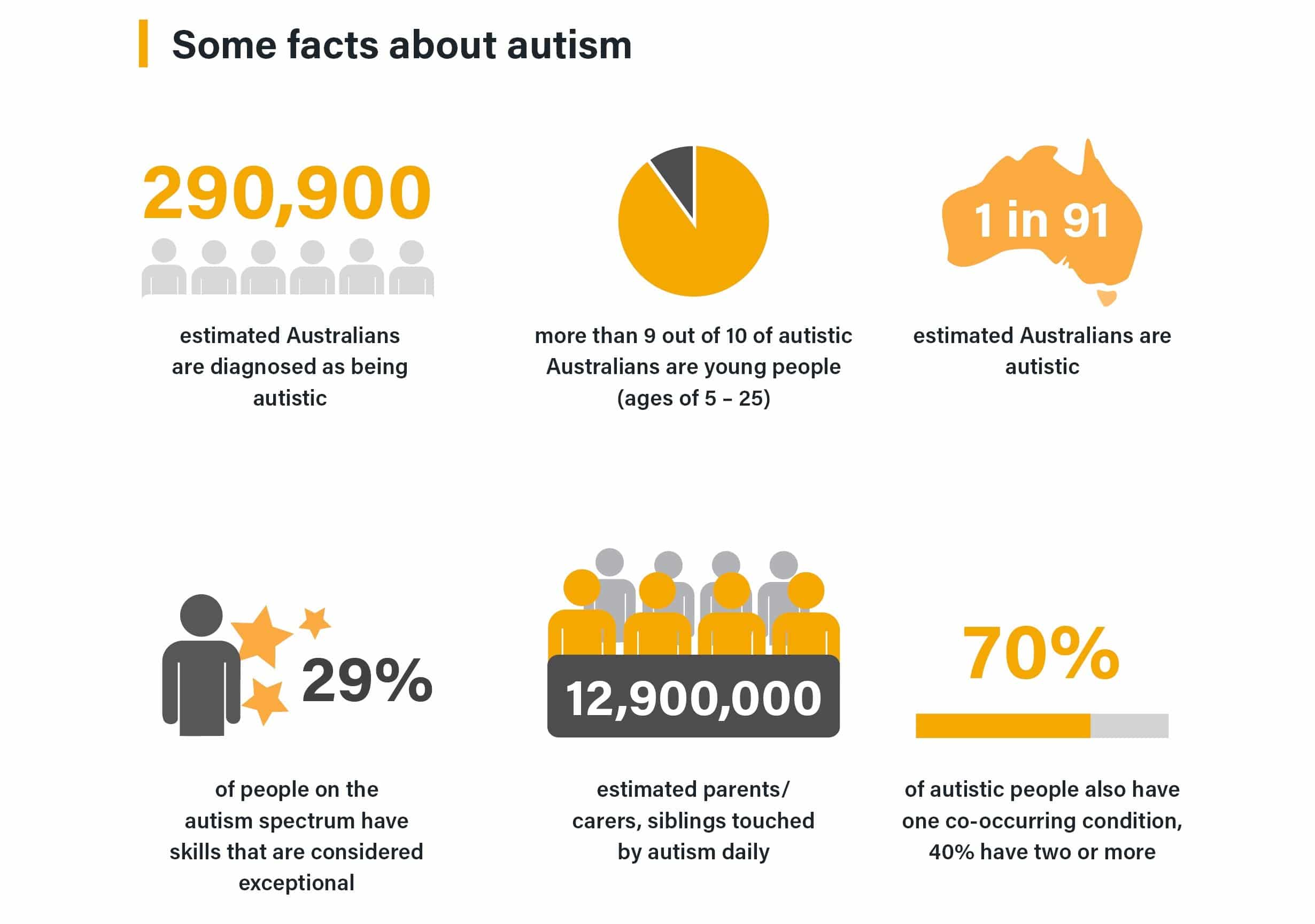
- the number of Australian diagnosed as autistic has increased over the past decade, from 164,00 in 2015, 205,200 in 2018 and 290,900 in 2022
- around nine out of ten people diagnosed as autistic are under the age of 25.
- 1 out of 2.2 Australian diagnosed as on the autism spectrum are female
- Around 73% of Autistic people had a profound or severe disability.
The Australian Bureau of Statistics (ABS) is due to release more updated data on the autism prevalence in Australia in mid 2024.
Trong khi báo cáo tỷ lệ mắc chứng tự kỷ khác nhau trên toàn thế giới, đã có một sự tăng rõ ràng về số lượng người được chẩn đoán trên phổ tự kỷ trong những năm gần đây, nhưng điều này không nhất thiết phải đề nghị rằng có những người hơn autistic trên thế giới hơn có cách đây 10 hay 20 năm.
Bằng chứng cho thấy rằng sự tăng lên là kết quả của một số yếu tố văn hóa và lâm sàng, bao gồm cả ảnh hưởng xã hội lái xe nhận thức lớn hơn của bệnh tự kỷ, và cải thiện các thủ tục chẩn đoán và thay đổi trong tiêu chí chẩn đoán cho phép nhiều người truy cập một Chẩn đoán.
According to Professor Whitehouse, from Australia’s Autism CRC, research shows the majority of the increase in autism prevalence over this period was due to an increase in diagnosing children with less complex behaviours.
"Bây giờ chúng tôi nhận ra rằng tình trạng trình bày dọc theo một quang phổ. Nó là quan trọng mà chúng tôi là tất cả nhận thức đầy đủ các bài thuyết trình, cũng như những thế mạnh đáng kể mà các cá nhân trên phổ mang đến cho cộng đồng của chúng tôi, "giáo sư Whitehouse nói.
Tự kỷ tại Úc
Autism is a neurological difference, a different way of thinking. The word ‘spectrum’ reflects the diversity of autistic people and how characteristics present. There is not one single cause of autism. The following is an overview of autism in Australia at the time of publication.
Sources:
• Australian Bureau of Statistics (2022). Disability, Ageing, and Carers, Australia: Summary of Findings. [https://www.abs.gov.au/articles/autism-australia-2022.]
• Australian Bureau of Statistics (2018). Disability, Ageing and Carers, Australia: Summary of Findings [https://www.abs.gov.au/statistics/health/disability/disability-ageing-and-carers-australia-summary-findings/latestrelease#
autism-in-australia]
• Australian Bureau of Statistics (2015). Disability, Ageing and Carers, Australia: Summary of
Findings, 2015 [https://www.abs.gov.au/ausstats/abs@.nsf/Previousproducts/4430.0Main%20
Features762015?opendocument&tabname=Summary&prodno=4430.0&issue=2015&num=&view=]
• Clark, T., Jung, J. Y., Roberts, J., Robinson, A., & Howlin, P. (2023). The identification of exceptional skills in school age autistic children: Prevalence, misconceptions and the alignment of informant perspectives. Journal of Applied
Research in Intellectual Disabilities, 36(5), 1034–1045. https://doi.org/10.1111/jar.13113
• Whitehouse AJO, Evans K, Eapen V, Wray J. A national guideline for the assessment and diagnosis of autism spectrum disorders in Australia. Cooperative Research Centre for Living with Autism, Brisbane, 2018.
Lịch sử của bệnh tự kỷ là gì?
The understanding of autism has developed over a number of decades. While the term ‘autism’ was defined by Kanner, there is varying evidence that other professionals, including Grunya Efimovna Sukhareva and Paul Bleuler, had recognised the unique presentation of characteristics much earlier than this. Since the 1940’s the diagnostic criteria has evolved and shifted as we learn more but now autism is widely understood as a spectrum of conditions with wide-ranging degrees of presentation.
1943
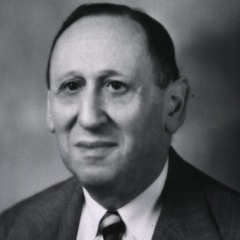 Leo kanner, bác sĩ tâm thần trẻ em tại Đại học Johns Hopkins School of Medicine ở Baltimore, MD, Hoa Kỳ, đã viết một bài viết tinh trong đó ông mô tả 11 trẻ em trong phòng khám của mình mà không có bản năng xã hội để định hướng đối với người khác. Ông mô tả những đứa trẻ này hầu hết là tập trung vào, hoặc thậm chí bị ám ảnh với các đối tượng, một nhu cần cho sameness và một đề kháng "để thay đổi bất ngờ". Để đưa ra một tên cho tình trạng tâm thần mới này, Kanner đã tạo ra thuật ngữ "tự kỷ infantile". Từ chứng tự kỷ đến từ tiếng Hy Lạp "ô tô", có nghĩa là "tự".
1944
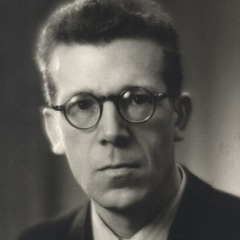
A year later, Hans Asperger, a paediatrician at the University of Vienna in Austria wrote an article about children he had observed who shared similar characteristics of those in Kanner’s clinic but on a wider spectrum.
However, it has been suggested that Asperger and colleagues in Vienna had in fact been analysing and describing autism since the 1930s and that colleagues of Asperger actually played a key role in Kanner’s work in the 1940s.
Part of Asperger’s approach was to create a school that was centred around these children’s cognitive strengths rather than any perceived difficulties they faced.
What was notable was the diversity of the characteristics displayed by the children in Asperger’s clinic – an aspect of autism about which we have begun to have a greater understanding in recent years.
As Asperger’s research work was undertaken during the years in which Austria was under control of Nazis, his article was not translated into English for nearly forty years. So that, his findings did not become widely accessible until 1981.
1981
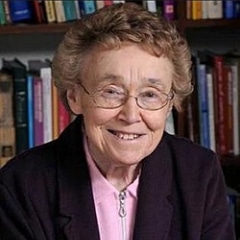 Lorna cánh, tâm thần trẻ em tại viện tâm thần của Vương Quốc Anh ở London xuất bản (lần đầu tiên trong tiếng Anh) một bài viết mà gọi tự kỷ như là một liên tục trong đó bao gồm Asperger Syndrome, trong công nhận của Hans Asperger làm việc.
1989
 Asperger Syndrome lần đầu tiên được chẩn đoán ở trẻ em ở Nam Úc bởi tự kỷ SA.
1994
 Asperger rối loạn lần đầu tiên được bao gồm trong DSM-4 (chẩn đoán và thống kê hướng dẫn sử dụng của rối loạn tâm thần, 4th Edition) được xuất bản bởi Hiệp hội tinh thần Mỹ (APA). Chẩn đoán khác theo các rối loạn phát triển Pervasive Umbrella bao gồm rối loạn autistic, PDD-NOS, rối loạn thời thơ ấu tan rã và Asperger rối loạn.
1996
 Lorna Wing coined the phrase Autistic Spectrum Disorder (ASD) to describe a range of neurodevelopmental differences, including autism and Asperger syndrome. Children diagnosed with Autism Spectrum Disorder needed to have met criteria for difficulties in communication, social interaction and restricted and repetitive patterns of behaviours, interests or activities. A complete diagnosis relied on these characteristics being experienced from early childhood and at a level which limited or impacted daily living.
2013
 Việc phát hành các bản Cập Nhật DSM-5 manual redefined the Autism Spectrum Disorder to encompass the previous diagnoses of Autism Spectrum Disorder, Asperger syndrome, pervasive developmental disorder not otherwise specified (PDD-NOS). The new definition no longer includes communication as a separate criterion but incorporates it in the other two domains. Diagnosis is made on the person meeting the required criteria in two areas: social communication and social interaction, and restricted and repetitive behaviour. If a person has been diagnosed previously with Asperger syndrome, this generally is maintained.
Nguyên nhân gây ra chứng tự kỷ?
A significant amount of research into the causes of autism has been undertaken since the diagnosis was first defined. Autism is highly heterogeneous meaning it is more accurate to think of autisms rather than a single condition, as there are many presentations and multiple contributing factors. While the causes of autism are varied, the strongest contributions come from genetic differences. The bulk of available evidence shows that autism begins prenatally, with early differences in brain development—meaning autistic people are born autistic.
Emerging research also suggests that an individual’s support needs, and the way their autism presents, can change across their lifetime. Factors such as IQ, adaptive functioning, environment, lived experiences, and access to appropriate supports can all influence how a person’s strengths and challenges are expressed over time.
Genetics
Autism is a polygenic condition, meaning that many different genetic alterations can contribute to a diagnosis. The MIND Institute (2025) reports that the heritability of autism is estimated to be around 83%, indicating that genetic factors explain most of the likelihood of developing autism, while shared environmental factors contribute minimally.
Genetic variations associated with autism can include:
- Rare genetic variants with strong effect
- Rare genetic variants with moderate effect
- Common genetic variants
- Environmental risk factors
While common genetic variations are believed to account for the largest proportion of autism likelihood (approximately 49%), de novo genetic variations—new changes that are not inherited from parents—are associated with a smaller percentage of cases (around 3%) but can contribute to more profound or complex presentations of autism. (https://pubmed.ncbi.nlm.nih.gov/25038753/)
Research into family genetics and the prevalence of autism has supported this finding. Research has shown that if there is one person in the family diagnosed as autistic, it can increase the likelihood that others in the family will also be on the autism spectrum, at the following rates:
- Dì, chú, người Anh em họ (2-3%)
- Anh chị em và cặp song sinh không giống hệt nhau (10%)
- Cặp song sinh 80% nếu một người được chẩn đoán
For some groups of autistic individuals, it appears that the genes are passed on from a parent directly, for others, genes from both parents are combined, meaning that they are likely to cause neurological differences resulting in autism, while for other individuals there may be genetic differences that have not been passed on, but have arisen during fetal development.
For a number of autistic people there are clear genetic variations that have shown to be the cause of their neurological difference, while for many other people diagnosed there appears to be no significant genetic differences.
Ultimately this means that while genetics seems to be the clear cause for some types of autism, either through de novo or genetic variations, at this stage they do not explain the cause of everyone’s autism.
Các yếu tố khác có thể góp phần hiện đang được nghiên cứu vì khả năng ảnh hưởng đến phát triển thần kinh bao gồm:
- Increased Extra Axia Fluid
- White matter development
- Altered production and/or circulation of Cerebrospinal Fluid (CSF)
- Trọng lượng sinh non thấp
- Advanced paternal age at time of conception
Research has identified that every individual on the autism spectrum has different neurology to each other, further supporting the notion that autism is a spectrum of conditions. While there have been a range of research studies into these areas, more research is needed.
There has been significant research into what does not cause autism. It is clear that autism is not caused by vaccines, bad parenting or the food we eat.
Các dữ kiện về chứng tự kỷ và quan niệm sai lầm phổ biến
Bạn có thấy rằng cũng có nghĩa là gia đình và bạn bè, phương tiện truyền thông bình luận, ngay cả một số chuyên gia y tế đang làm cho bạn quan tâm nhiều hơn và nhầm lẫn về của riêng bạn hoặc của con bạn tự kỷ hoặc nghi ngờ chứng tự kỷ?
Thông tin sai lạc và thư hỗn hợp có thể dẫn đến cảm giác tội lỗi và cô lập và có thể làm việc chống lại một chẩn đoán chủ động và chương trình hỗ trợ. Mặc dù sự hiểu biết toàn cầu của bệnh tự kỷ là không ngừng phát triển, đây là một số các sự kiện thường được hiểu, để giúp bạn đặt một số trong những quan niệm sai lầm về bệnh tự kỷ để giường.
Nguyên nhân gây ra chứng tự kỷ là gì?
It’s natural to want to know what causes autism, however it is likely that there is not one single cause. While genetic differences are known to cause some types of autism (84%), the causes of autism are largely unknown.
We do know that autism is a neurobiological difference, meaning that the brain processes information differently for autistic people, than it does for people who are not autistic.
Chúng tôi cũng biết rằng phong cách nuôi dạy con không gây ra một đứa trẻ để phát triển chứng tự kỷ.
Tự kỷ không phải là do tiêm chủng trong hoặc trước khi mang thai, và các liên kết sai-báo cáo giữa bệnh sởi-quai bị-rubella (MMR) chủng ngừa và chứng tự kỷ đã được rút lại từ giấy nó đã được xuất bản trong, và hoàn toàn không đáng ngờ của nghiên cứu, cộng đồng khoa học và y tế.
Để biết thêm thông tin về các nghiên cứu hiện nay đang được tiến vào nguyên nhân gây bệnh tự kỷ, hãy truy cập của chúng tôi nguyên nhân gây ra phần tự kỷ.
Làm thế nào là chứng tự kỷ được chẩn đoán?
Fortunately, the way autism is assessed has changed and improved over the last 80 years.
We now recognise a wider range of characteristics as forming part of the autism spectrum.
As awareness increases, parents and professionals are getting better at identifying early characteristics of autism and are more likely to seek an autism assessment.
This contributes to the explanation as to why people think autism is more prevalent today than it was ten or twenty years ago.
Để biết thêm thông tin về chẩn đoán đi đến làm thế nào để có được một trang chẩn đoán chứng tự kỷ.
Do autistic people all look and act the same?
Autistic people are part of the diversity that is humanity, where no-one person is the same as another.
Nghiên cứu hoàn thành như xa trở lại như những thập niên 1940 tiết lộ rằng chứng tự kỷ là một phổ của hành vi và kỹ năng.
Để biết thêm thông tin về các hành vi liên quan đến chứng tự kỷ, hãy truy cập của chúng tôi dấu hiệu và đặc điểm trang.
Are autistic people physically or intellectually disabled?
Autistic people do not look different to other people and are usually physically healthy.
Autism is not an intellectual disability although some autistic people may also be diagnosed with an intellectual disability.
Do autistic people communicate?
Everyone communicates. Many autistic people communicate using speech. For some people the way speech sounds may be unique including using a mono tone, very formal language for the context in which it is used or use an accent. For others, verbal speech might be delayed or many not develop. It is important to develop ways that a person can communicate their needs to those around them.
Tôi có thể nhớ sự thất vọng của không được có thể nói chuyện. Tôi biết những gì tôi muốn nói nhưng tôi không thể có được những từ ra, vì vậy tôi sẽ chỉ hét lên.
Một số người sử dụng hệ thống thông tin liên lạc thay thế như ngôn ngữ ký hiệu, Hệ thống trao đổi hình ảnh, hoặc công nghệ hỗ trợ để giao tiếp với những người xung quanh.
Do autistic people have emotions?
Autistic people feel the same emotions as their parents, family or friends. People on the autism spectrum may express and feel emotions in a way that is different to people that are not autistic. They may have difficulties in expressing their emotions in a way that non-autistic people understand or recognise- this can cause frustration.
Some autistic people may shout or hit out when distressed but this is usually a reaction or last resort when there is a difficulty in communicating.
It is common for autistic people to have difficulty recognising and interpreting the emotions of others- know as alexithymia-, but many individuals develop strong bonds with important people in their lives such as parents and siblings like everyone else.
For some people, common means of showing affection can be more difficult, such as maintaining eye gaze and physical contact.
Để biết thêm thông tin về các hành vi liên quan đến chứng tự kỷ, hãy truy cập của chúng tôi dấu hiệu và đặc điểm trang.

Do autistic people make friends?
Most autistic people often do want to have friends, but have difficulty engaging socially with others or knowing how to recognise and respond to the intentions and emotions of others, particularly towards non-autistic people. This is known as the double empathy theory.
Understanding how people interact and engage with others is complex and is generally required to form friendships. Many autistic people report that they find this difficult to understand and navigate and often seek supports and services to support their ability to make and maintain relationships, including romantic relationships, relationships at work and social relationship. Planned activities around shared interests are often the key to supporting the development and maintenance of friendships.
Để biết thêm thông tin về các hành vi liên quan đến chứng tự kỷ, hãy truy cập của chúng tôi dấu hiệu và đặc điểm trang.
Có thể tự kỷ được chữa khỏi?
Tự kỷ có thể không được "chữa khỏi" hơn so với màu mắt, pitch của giọng nói, chiều cao của bạn hoặc hình dạng của bàn chân của bạn.
Early diagnosis and support can help individuals to develop skills necessary for a full, productive and satisfying life.
People who say they or their children were ‘cured’ may have been particularly successful in acquiring skills which enable them to become more effective through their everyday life.
Many people who have a diagnosis of autism are concerned about the concept of “curing” autism, as they feel it is their autism that makes them, them. Many people contribute their successes to being able to think in a totally different way.
Nhận thức này ăn mừng của chứng tự kỷ do người dân trên phổ tự kỷ được gọi là phong trào thần kinh.
Celebrate Autism Month with Autism SA
This April, Autism SA is celebrating Autism Month through the Purple in Action campaign, encouraging individuals and communities to explore different ways of thinking and build greater inclusion.
Autism Month recognises that autistic people experience and interpret the world in diverse ways that strengthen our communities.
People across South Australia are invited to take part in simple activities that spark curiosity and understanding.
👉 Learn more and get involved here: Celebrate Autism Month with Autism SA – Autism SA
Chuốt đối tượng của bệnh tự kỷ
With an increased awareness of autism in our society you may start to recognise the characteristics of people you know or love as “on the spectrum” or “autistic”.
While it’s exciting that people are becoming more aware of the full spectrum of autism, it’s important for people to also be sensitive about the language they use surrounding it, and when approaching autistic people.
Trước khi bạn nâng cao chủ đề của chứng tự kỷ với một người có thể được autistic (hoặc gia đình của họ), nó là quan trọng để xem xét sau đây:
- Tại sao bạn tin rằng điều quan trọng là để nâng cao chủ đề với một người?
- Những kết quả tích cực tiềm năng ví dụ như hỗ trợ và hiểu biết, hoặc cải thiện tự nhận thức và bản sắc là gì?
- What are the potential negatives e.g. denial, confusion.
- Bạn có thể cần phải được chuẩn bị để chấp nhận một phản ứng tiêu cực và để được hỗ trợ và không judgemental.
- Ai có thể là người tốt nhất để nâng cao chủ đề-ví dụ nó có thể được tốt hơn đến từ một thành viên gia đình hoặc bạn bè đáng tin cậy.
- Bạn sẽ sử dụng giai điệu gì? Chắc chắn, bạn sẽ cần phải được tôn trọng và nhạy cảm.
- Tránh đưa ra lời khuyên cụ thể
- Tìm hiểu về các dịch vụ hỗ trợ có thể hữu ích trước khi có cuộc trò chuyện.
- Remember that you are NOT likely to be in a position to diagnose, unless you are trained to do so. You can raise the topic and suggest the person or family member seeks more information on autism from a recognised and qualified professional.
Để tìm hiểu thêm thông tin về phổ tự kỷ, xem các dấu hiệu và trang đặc điểmcủa chúng tôi.