



Nhận chẩn đoán
Characteristics of autism checklists
The characteristics of autism can vary greatly from person to person, and can also develop, change and improve over time. Age and cognitive ability can also have an impact on how the characteristics of autism present themselves. If you feel that you, or someone you love, is autistic, the below checklists can provide you with a list of the common characteristics that may be observed in each age group.
Danh sách kiểm tra trường tiểu học
Danh sách kiểm tra thanh thiếu niên
Sự khác biệt về tự kỷ dựa trên giới tính
Far more males than females are diagnosed with an Autism Spectrum Disorder in Australia. In fact, four Australian males are diagnosed on the spectrum to every one female. Evidence suggestions, there could be a range of reasons for this, including a bias towards males in the diagnostic process. Find out more about the differences in presentations of autism based on gender.

Tại sao có được một chẩn đoán?
Trẻ em
- Your child (and you) may receive the help and support you might need or desire earlier.
- Your child’s kindy or school, and teaching staff, may have a better understanding of your child’s strengths and needs – allowing them to support them more effectively.
- Your child’s friends and family friends may have a better understanding of your child’s strengths, needs and behaviours – allowing them to interact and support them more effectively.
- Your child may have a greater sense of self-identify if they understand themselves better .
- Your child may have increased confidence knowing they are part of a larger group of children on the autism spectrum.
Adults
- Assist you to receive any appropriate funding, support and help you might desire.
- Gia đình, bạn bè và đồng nghiệp làm việc của bạn (nếu bạn chọn để nói với họ) có thể có một sự hiểu biết tốt hơn về nhu cầu của bạn-và cho phép họ để hỗ trợ bạn hiệu quả hơn.
- Bạn có thể có một ý nghĩa lớn hơn của tự nhận dạng nếu bạn hiểu chính mình-và phổ-tốt hơn.
- Bạn có thể có một sự hiểu biết tốt hơn về kinh nghiệm của bạn như một đứa trẻ.
- You may benefit from the support and friendship of a larger group of other autistic adults.
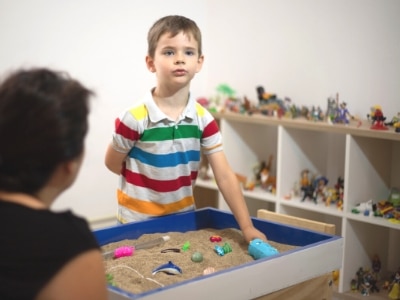
Getting a diagnosis – children < 18 years
If you have questions about your child’s development, it’s important to raise them with a qualified professional, including a General Practitioner (GP) who may refer your child for an autism assessment.
Alternatively, if you have questions about your child’s development, and think that they may be autistic, you can refer them directly to a number of professionals that can assess for autism.

Bắt một chẩn đoán – người lớn > 18 tuổi
The assessment process as an adults might look a bit different than that for children. Generally, referrals for adult diagnosis are made by you, as an adult. Referrals can also be made by individuals, parent or carer or by your partner with your consent.
Thảo luận về sự phát triển của bạn với bác sĩ GP hoặc chuyên môn có liên quan cũng có thể hữu ích trước khi giới thiệu, vì chuyên môn Chăm sóc sức khỏe của bạn có thể đưa ra các giới thiệu để thực hiện một đánh giá tâm lý hoặc thần. Một chuyên gia trị liệu âm ngữ cũng có thể được tư vấn để đánh giá kỹ năng giao tiếp xã hội của bạn.

Phải làm gì sau khi chẩn đoán
A diagnosis of autism can raise many emotions – relief at finally having an answer to some of the questions that you may have had about your or your child’s development, excitement, sadness, fear or even grief. All of these feelings and emotions are okay and should be allowed to run their course.
Trên một mức độ thực tế, có một chẩn đoán có thể liên kết bạn với một loạt các dịch vụ có sẵn và hỗ trợ.
Những gì các điều kiện khác cùng xảy ra với chứng tự kỷ?
Các hướng dẫn chẩn đoán hiện tại cho chứng tự kỷ, DSM-5 ghi chú rằng 70% thời gian chẩn đoán bệnh tự kỷ được đi kèm với một điều kiện bổ sung hoặc chẩn đoán, và 40% thời gian bởi hai hoặc nhiều điều kiện bổ sung của chẩn đoán.
Những điều kiện hợp tác này có thể xuất hiện bất cứ lúc nào trong quá trình phát triển của một người, và một số có thể không xuất hiện cho đến sau này ở tuổi thanh xuân hoặc thậm chí trưởng thành.
Dưới đây là danh sách các điều kiện quan trọng có thể xảy ra ngoài việc chẩn đoán bệnh tự kỷ.