



Getting a diagnosis
Characteristics of autism checklists
The characteristics of autism can vary greatly from person to person and may develop and change over time. While autism is a lifelong neurodevelopmental difference, individuals can learn new skills and strategies that support independence and well-being. Age and cognitive ability influence how the characteristics of autism present themselves. If you feel that you, or someone you love, is autistic, the below checklists can provide you with a list of the common characteristics that may be observed in each age group.
The differences in autism based on gender
Far more males than females are diagnosed with autism in Australia. In fact, 70% of autistic Australians are male. Evidence suggestions, there could be a range of reasons for this, including a bias towards males in the diagnostic process. Find out more about the differences in presentations of autism based on gender.

Why get a diagnosis?
Children
- Your child (and you) may receive the help and support you might need or desire earlier.
- Your child’s educators at kindy or school, may have a better understanding of your child’s strengths and needs – allowing more effective support.
- Your child’s friends and family friends may have a better understanding of your child’s strengths, needs and behaviours – allowing them to interact and support them more effectively.
- Your child may have a greater sense of self-identity if they understand themselves better.
- Your child may have increased confidence knowing they are part of a larger group of children on the autism spectrum, and part of the Autistic community.
Adults
- Assist you to receive any appropriate funding, support and help you might desire.
- Your family, friends and work colleagues (if you choose to tell them) may have a better understanding of your needs – and allow them to support you more effectively.
- You may have a greater sense of self-identity if you understand yourself – and the spectrum – better.
- You may have a better understanding of your experiences as a child.
- You may benefit from the support and friendship of a larger group of other autistic adults.
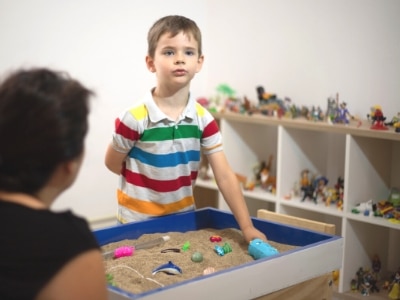
Getting a diagnosis – children < 18 years
If you have questions about your child’s development, it’s important to raise them with a qualified professional, including a General Practitioner (GP) who may refer your child for an autism assessment.
Alternatively, if you have questions about your child’s development, and think that they may be autistic, you can refer them directly to a number of professionals that can assess for autism.

Getting a diagnosis – adults > 18 years
The assessment process as an adult might look a bit different than that for children. Generally, referrals for adult diagnosis are made by you, as an adult. Referrals can also be made by individuals, parent or carer or by your partner with your consent.
Discussing your development with a GP or relevant professional can be also useful prior to referral, as your health care professionals may make referrals to undertake a psychological or psychiatric assessment. A speech therapist could also be consulted to assess your social communication skills.

What to do following a diagnosis
A diagnosis of autism can raise many emotions – relief at finally having an answer to some of the questions that you may have had about your or your child’s development, excitement, sadness, fear or even grief. All of these feelings and emotions are okay and should be allowed to run their course.
On a practical level, having a diagnosis can link you in with a wide range of available services and support.
What other conditions co-occur with autism?
The current diagnostic manual for autism, the DSM-5, notes that 70% of the time a diagnosis of autism is accompanied by an additional condition or diagnosis, and 40% of the time by two or more additional conditions of diagnosis.
These co-occurring conditions can appear at any time during a person’s development, and some may not appear until later in adolescence or even adulthood.
Here is a list of key conditions that can occur in addition to a diagnosis of autism.